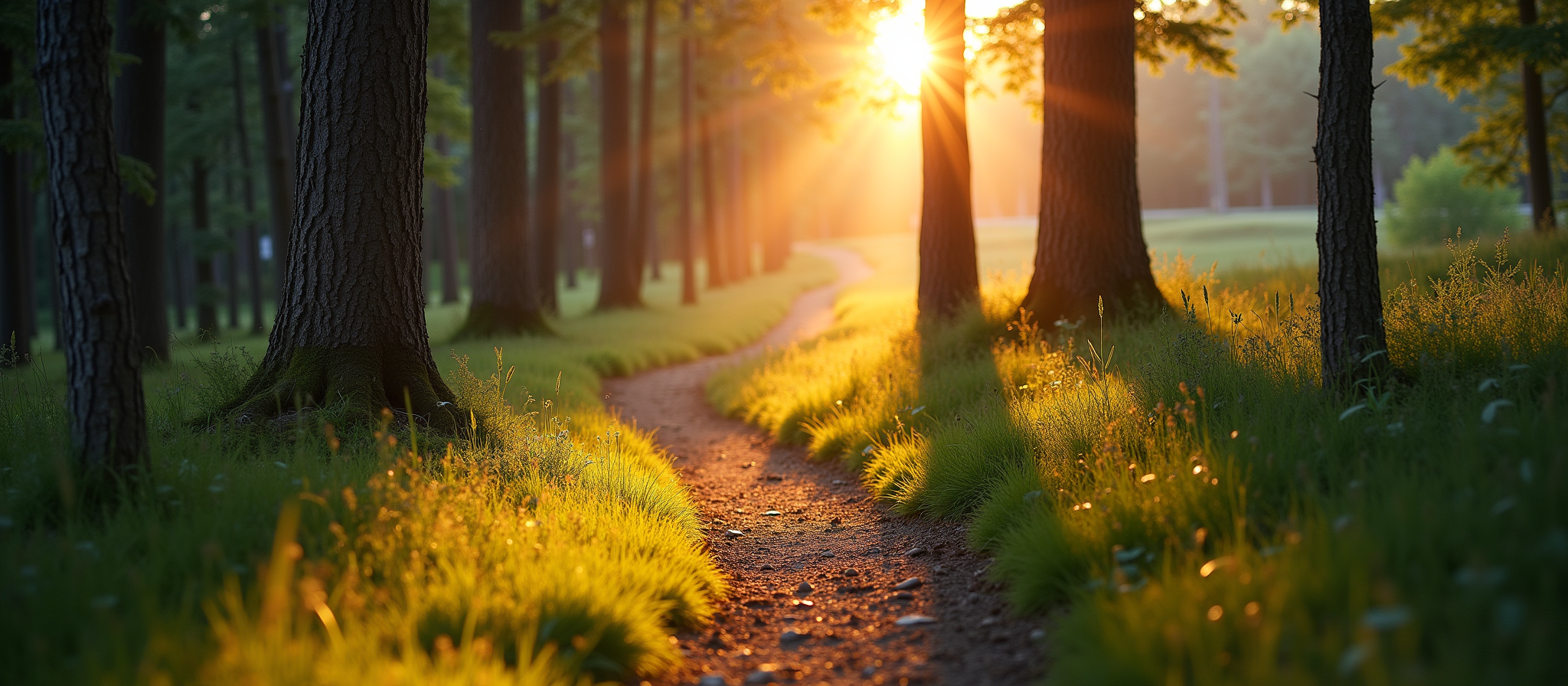
Every landscape has a story to tell
From the rolling grasslands of the Thompson-Nicola region to ancient forests, vibrant wetlands, and rugged mountain peaks, British Columbia is home to an extraordinary diversity of life. When we take the time to listen, nature reveals how everything is connected from the smallest wildflower to the largest predator, from healthy rivers to thriving communities.


Welcome
Nature is Our Greatest Teacher

The natural world surrounds us every day, yet many of its stories often go unnoticed. A single grassland supports hundreds of plant and animal species. Wetlands quietly filter water while providing homes for birds and amphibians. Forests store carbon, regulate climate, and shelter countless forms of life. Every ecosystem plays an important role in maintaining healthy landscapes and resilient communities.
At When the Land Speaks, we believe that meaningful conservation begins with understanding. By learning how ecosystems function, recognizing the importance of biodiversity, and appreciating Indigenous relationships with the land, we become better equipped to protect the places we value.
Our goal is to make environmental education engaging, accessible, and inspiring for people of all ages. Through educational resources, workshops, guided nature experiences, school programs, and community partnerships, we encourage curiosity, critical thinking, and stewardship that extends far beyond the classroom.
Whether you are taking your first nature walk or leading conservation projects in your community, we invite you to explore, ask questions, and discover the incredible diversity of British Columbia together.
Learn Through Experience
We believe that some of the most memorable lessons happen outdoors. Seeing a bluebird nest in a grassland, identifying native wildflowers along a trail, listening to frogs in a wetland, or observing pollinators visiting blooming plants creates meaningful connections that cannot always be captured in a textbook.
That's why our programs emphasize hands-on learning. We work with schools, community organizations, families, and individuals to provide engaging educational experiences that encourage exploration, observation, and discovery. Our workshops, guided nature walks, classroom presentations, and seasonal events are designed to inspire curiosity while building practical knowledge about local ecosystems and conservation.
Learning becomes even more powerful when it connects scientific understanding with creativity, storytelling, and shared experiences. Through art, citizen science, interactive activities, and community engagement, we hope to nurture a lifelong appreciation for the natural world.


Why Conservation Matters?
Healthy ecosystems provide clean air, fresh water, fertile soils, pollination, climate regulation, and habitat for countless species including ourselves. As environmental challenges continue to grow, every person has the opportunity to make a positive difference.
Conservation is not only about protecting wildlife; it is about creating healthier communities, supporting sustainable futures, and ensuring that future generations inherit thriving landscapes. Small actions, from planting native species and reducing waste to participating in habitat restoration or simply spending more time outdoors, contribute to a larger culture of environmental stewardship.
By understanding the land, we begin to understand our place within it.


FACTS
Environmental education fosters awareness and understanding of ecological issues, encouraging responsible stewardship of our planet for future generations.
Biodiversity is essential for ecosystem stability, resilience, and providing resources that support human life, from food to medicine.
There are many ways to get involved, including attending workshops, participating in community clean-ups, or volunteering with local environmental organizations.
You can reduce your carbon footprint by choosing sustainable transportation, conserving energy, and supporting renewable energy initiatives.
Let's Connect
I welcome your inquiries, ideas, and feedback on how we can work together to protect our environment and foster sustainable practices.
